Amazon Shopping API: The Ultimate Guide (2026)
Everything you need to know about Amazon APIs, their limitations, and how to use Zinc as a complete Amazon Shopping API for your business.
Amazon has hundreds of millions of products. If you're building something that needs to buy from Amazon automatically, you're going to hit a wall fast.
There's no official "Buy" API. The APIs Amazon does offer are built for affiliates, sellers managing their own inventory, and enterprise partners. None of them let you programmatically place an order on behalf of a user.
This guide covers what Amazon's official APIs actually do, where they fall short, and how companies are using Zinc's Amazon Shopping API to fill the gap.
Does Amazon have an API?
Yes, but it's not what most developers expect.
Amazon doesn't have a single "Amazon API." They have several, each locked to a specific business relationship. You can't just sign up and start querying the catalog or placing orders. Here's what actually exists.
1. Amazon Product Advertising API (PA-API 5.0)
This is the one most developers find first. It lets you search products and pull titles, images, reviews, and prices.
What it's for: Amazon Associates (affiliates). PA-API exists to help affiliates drive traffic to Amazon and earn commissions.
The catch:
- It's read-only. You can't add anything to a cart or place an order.
- New users start at 1 request per second (8,640/day max).
- If your app doesn't generate enough affiliate revenue within 30 days, Amazon cuts your access entirely. Rate limits only go up if your affiliate revenue goes up.
2. Amazon Selling Partner API (SP-API)
SP-API replaced the old Amazon MWS. It's a proper REST API with OAuth 2.0 authentication.
What it's for: Amazon sellers managing their own storefronts, inventory, and orders.
The catch: It only works with your own products. You can't use SP-API to browse the general Amazon catalog or buy from other sellers.
3. Buy with Prime API
This lets third-party websites add a "Buy with Prime" button so shoppers can check out using their Amazon account and get Prime shipping.
The catch: It only works if you're an FBA seller shipping your own inventory through Amazon's fulfillment centers. It doesn't let you shop Amazon.com programmatically.
Amazon has no "Buy" API
None of these APIs let you buy something from Amazon.
Say you're building a corporate gifting platform and want to automatically ship a Kindle to an employee on their work anniversary. You can't do that with any official Amazon API.
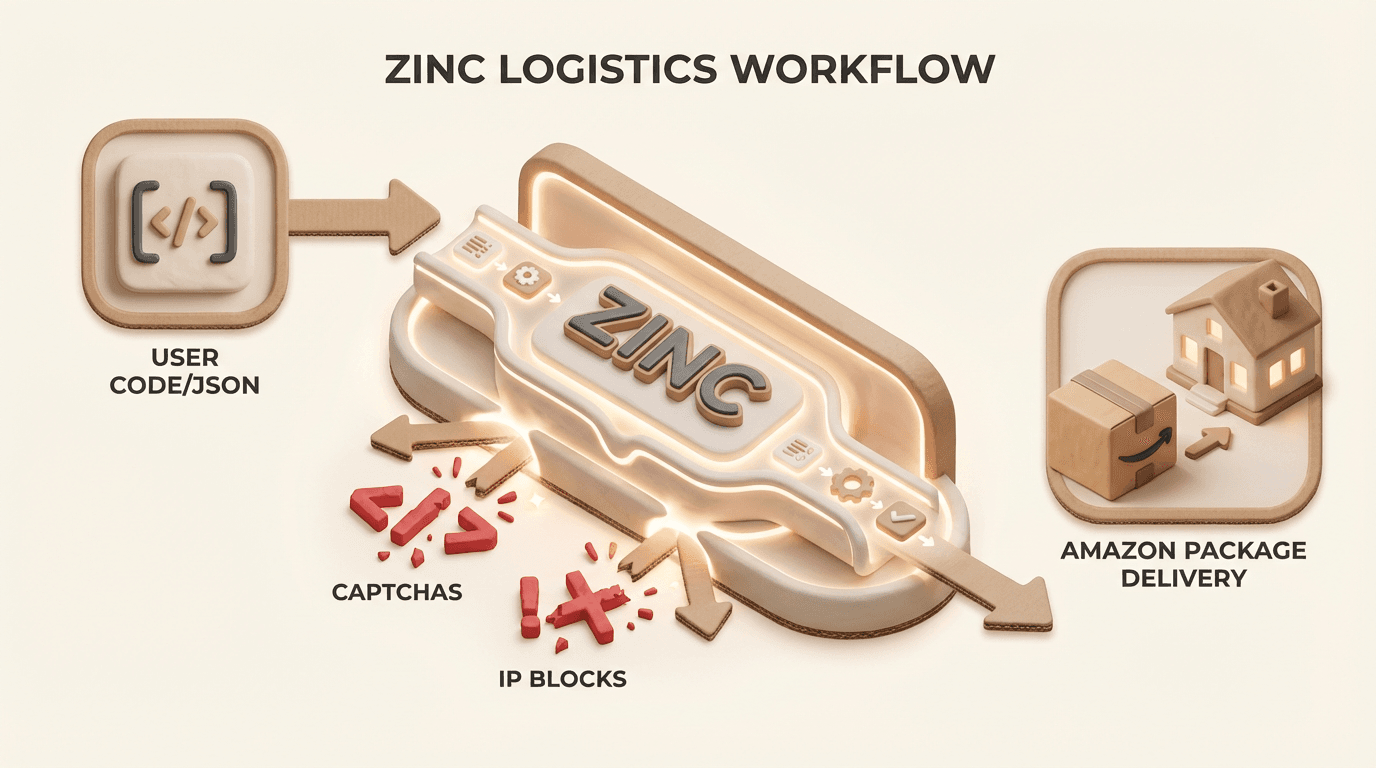
What most companies tried instead was web scraping: Puppeteer or Playwright scripts that automate a browser, navigate to a product, add to cart, enter payment info, and check out. It sounds reasonable until you try to maintain it.
Amazon's bot protection is aggressive. IP bans, captchas, 2FA, dynamic checkout flows that change constantly. Companies that went this route ended up with entire teams just keeping the scraper alive.
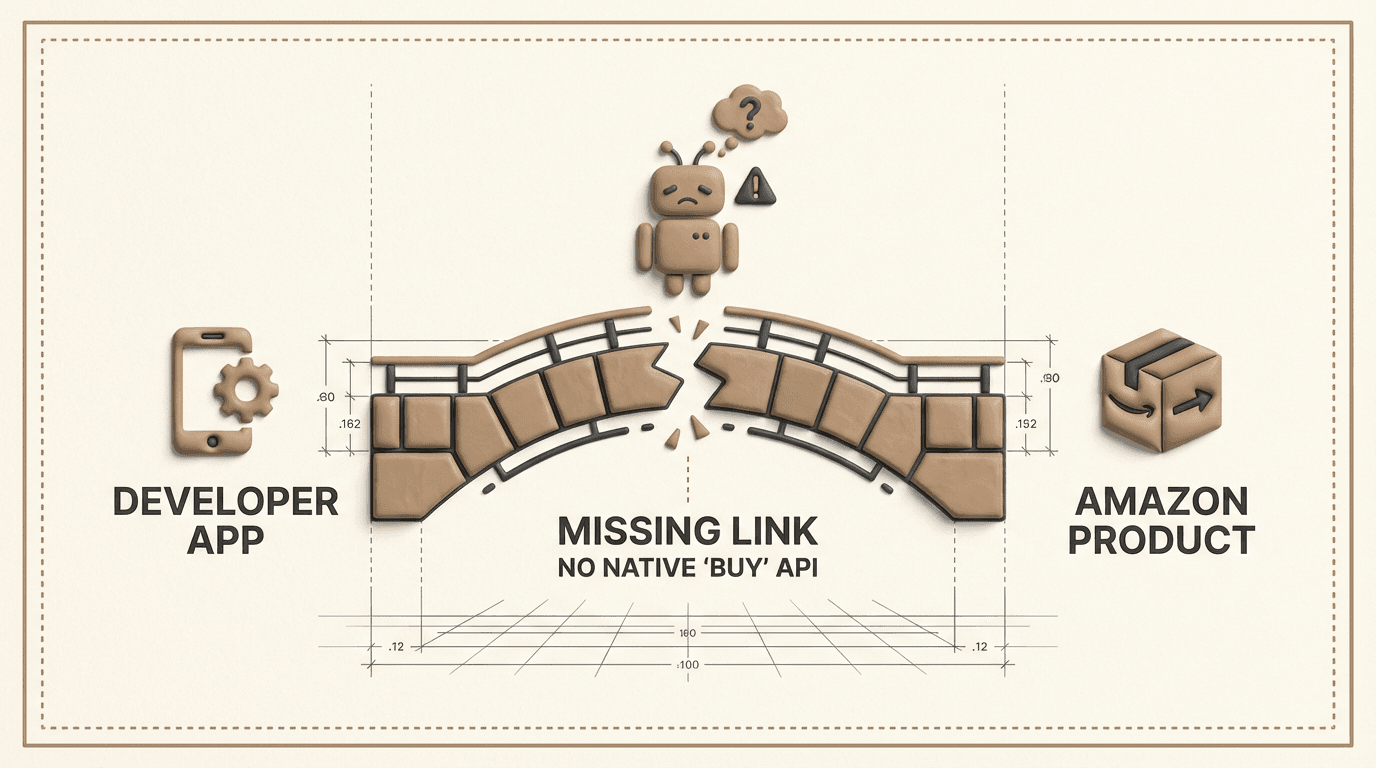
That's the gap Zinc fills.
What Zinc does differently
Zinc's Amazon integration gives you a simple REST API to buy from Amazon. Pass a product URL, a shipping address, and a max_price. Zinc handles everything else.
No checkout flow to build. No captchas. No IP bans. The order happens in the background.
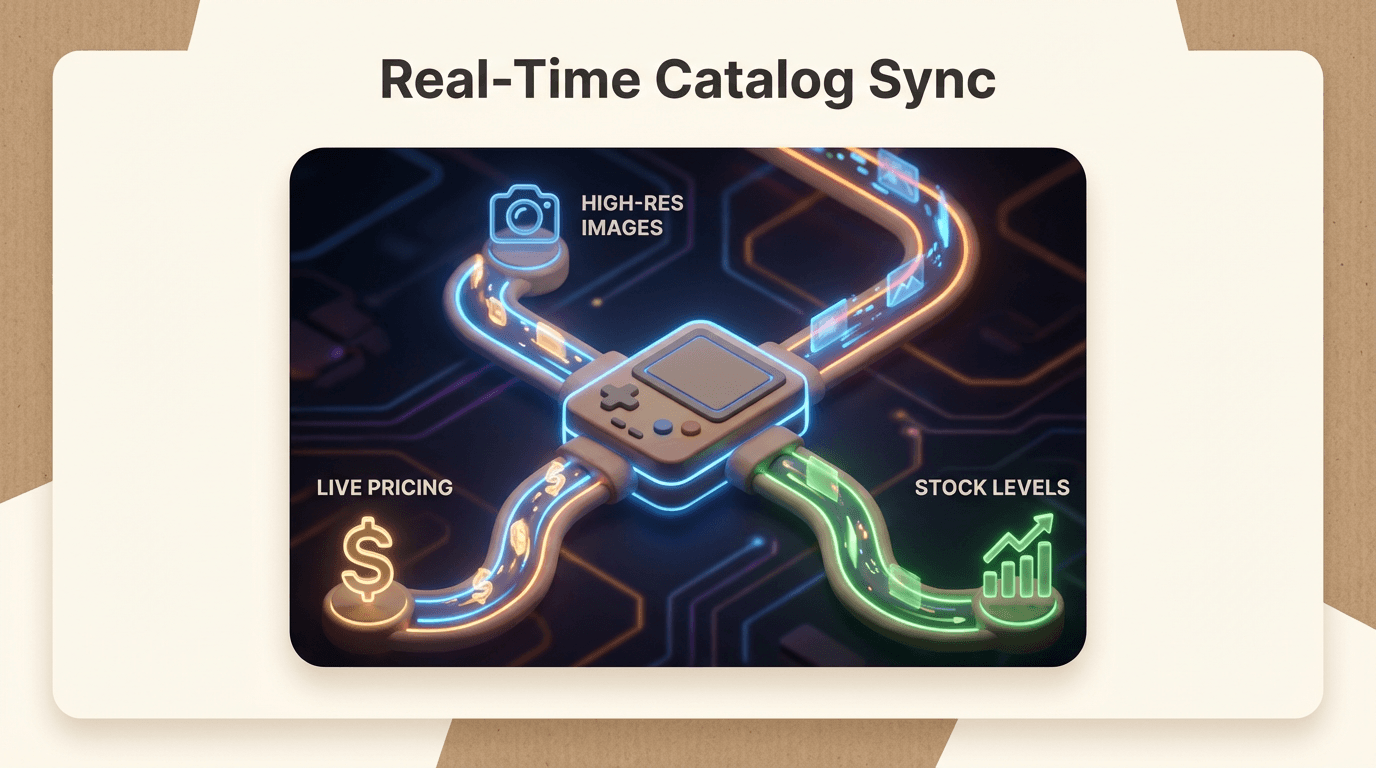
Real-time product data
Pull live product details, prices, stock levels, and images directly from Amazon's catalog. Your listings stay accurate because the data is fetched fresh every time, not from a stale cache.
Price protection
Amazon prices move constantly, and third-party sellers can spike prices without warning.
The max_price field in the Zinc API lets you set a ceiling. If the cart total goes over it when Zinc tries to place the order, the order fails cleanly instead of charging your user more than they expected.
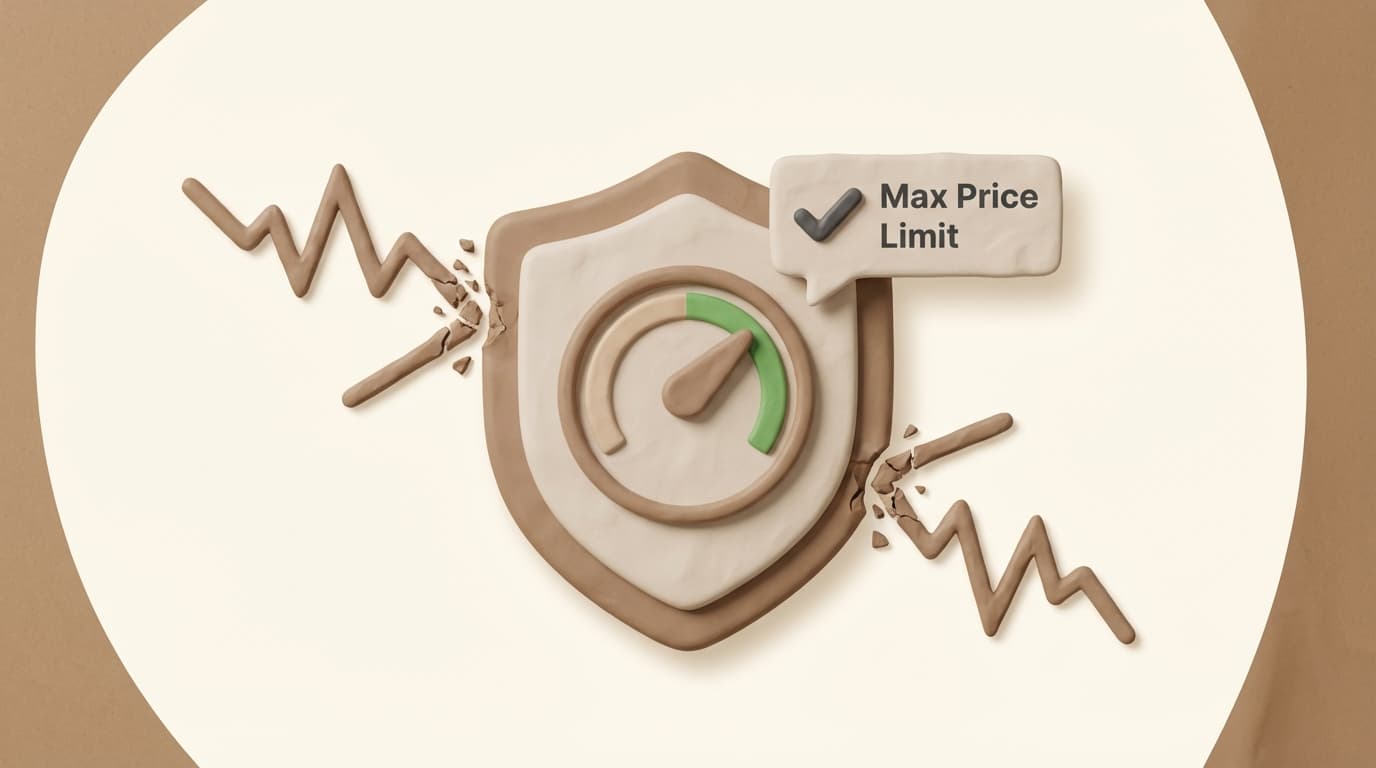
Zinc's error handling returns a clear response so you can handle it in your application.
Order placement
This is what no native Amazon API offers. Zinc's Ordering API places the order automatically. Here's what the request looks like:
POST https://api.zinc.com/orders
{
  "products": [
    {
      "url": "https://www.amazon.com/dp/B08F7PTF53",
      "quantity": 1
    }
  ],
  "shipping_address": {
    "first_name": "Jane",
    "last_name": "Doe",
    "address_line1": "123 Main St",
    "city": "San Francisco",
    "state": "CA",
    "postal_code": "94105",
    "country": "US",
    "phone_number": "5551234567"
  },
  "max_price": 39900
}
Shipment tracking
Once an order ships, Zinc automatically pulls the tracking number from Amazon and adds it to the order object. That includes native Amazon Logistics numbers (starting with TBA), plus UPS, FedEx, and USPS.

Poll /orders/{order_id} to check status, or use Zinc Webhooks to get push notifications the moment the status changes.
{
  "id": "550e8400-e29b-41d4-a716-446655440000",
  "status": "shipped",
  "tracking_numbers": [
    {
      "carrier": "amazon",
      "tracking_number": "TBA123456789000",
      "created_at": "2026-03-16T09:15:00Z"
    }
  ]
}
Managed accounts
Automating Amazon at scale means dealing with accounts, and that's where most DIY efforts fall apart. Amazon flags suspicious activity, triggers phone verifications, locks accounts, and blocks unusual payment patterns.
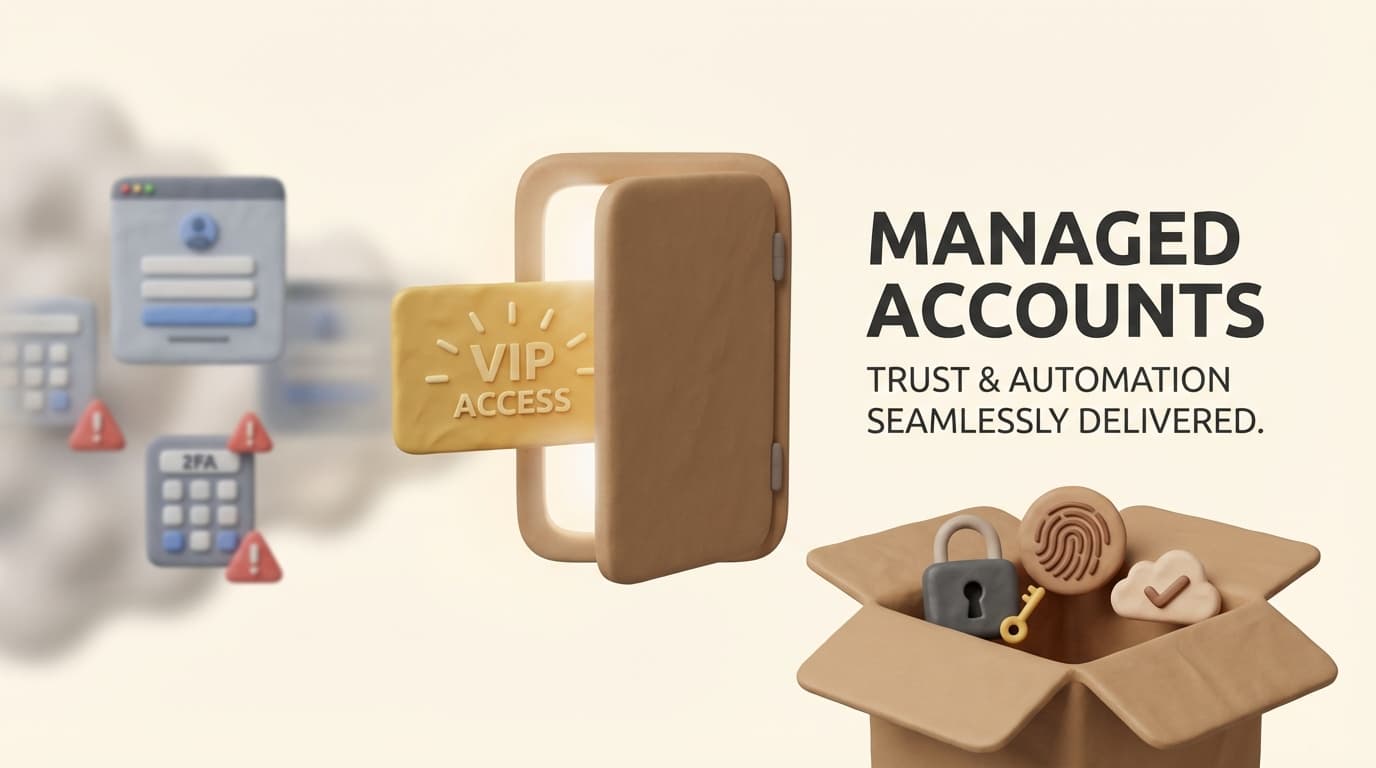
Zinc's Managed Accounts handle login, 2FA, and payments automatically. You don't need to create Amazon accounts or load credit cards anywhere. If you already have Amazon Business accounts for tax-exempt purchasing, you can bring those instead.
Who's actually building with this?
Rewards and loyalty platforms

Employee earns points, redeems for a physical item, Zinc orders it from Amazon and ships it directly to them. The platform never touches inventory.
Buy-now-pay-later marketplaces
Abunda built their Amazon-powered marketplace on Zinc and went from zero to live in 36 hours. They pull real-time product and pricing data through Zinc to power their catalog, and Zinc places the order when a customer finishes financing a purchase.
They've processed over 40,000 orders worth $19.1M. Zinc handles 60% of those end-to-end automatically.
Procurement automation
Internal tools that reorder supplies when stock drops below a threshold. The order goes through Amazon Business, tracking comes back through Zinc.
AI shopping agents
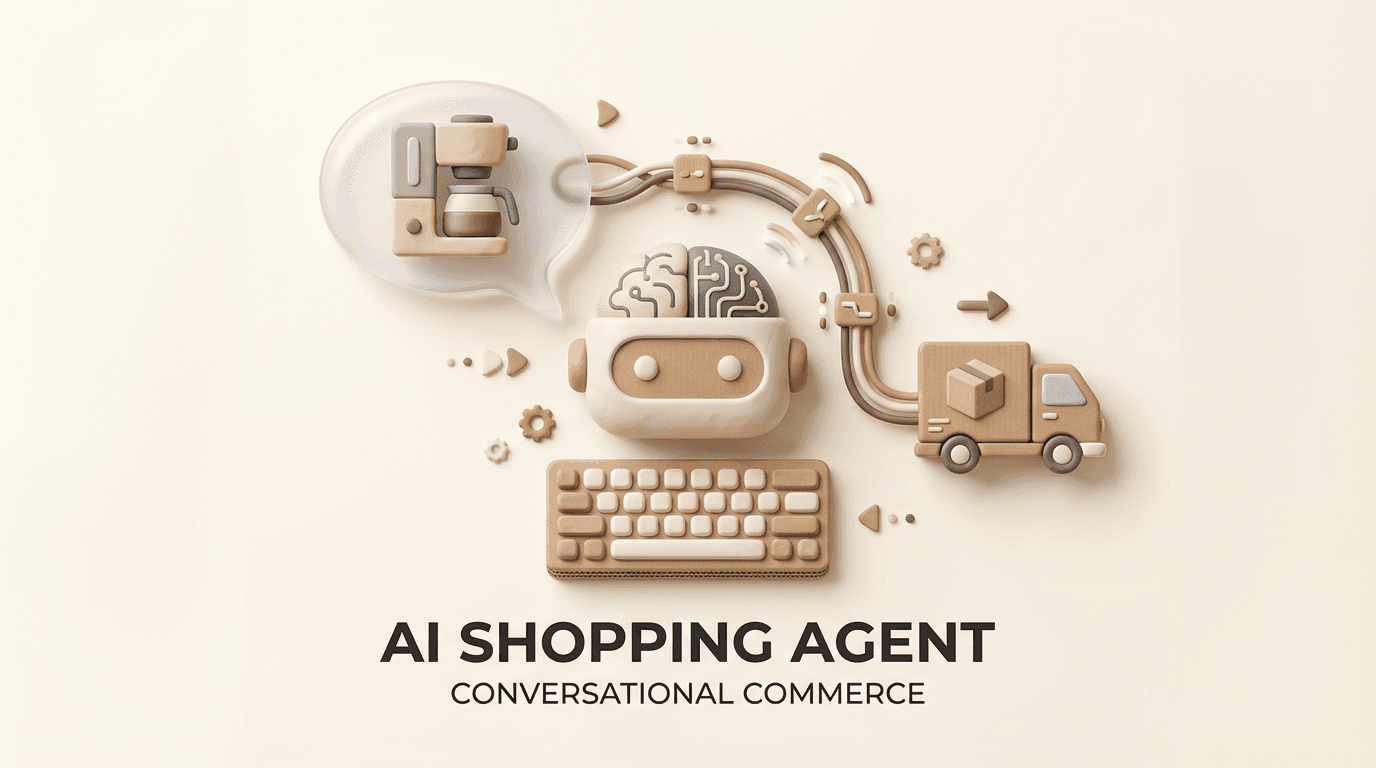
We built Zinc GPT to show what's possible: a conversational shopping assistant that can actually check out, not just browse. You describe what you want, it finds options, and when you're ready, it places the real order.
Why not just build it yourself?
You can. A lot of companies try. The problem is maintenance.
Amazon's checkout flow changes constantly. A script working today can break tomorrow because of an A/B test on the checkout page. Every time Amazon adds a verification step or redesigns a flow, someone has to fix it.
A few things Zinc takes off your plate:
- Bot protection. Amazon uses fingerprinting and IP reputation scoring. Zinc's infrastructure handles this at scale.
- Checkout stability. When Amazon changes their UI, Zinc's team fixes it. Your API payload stays the same.
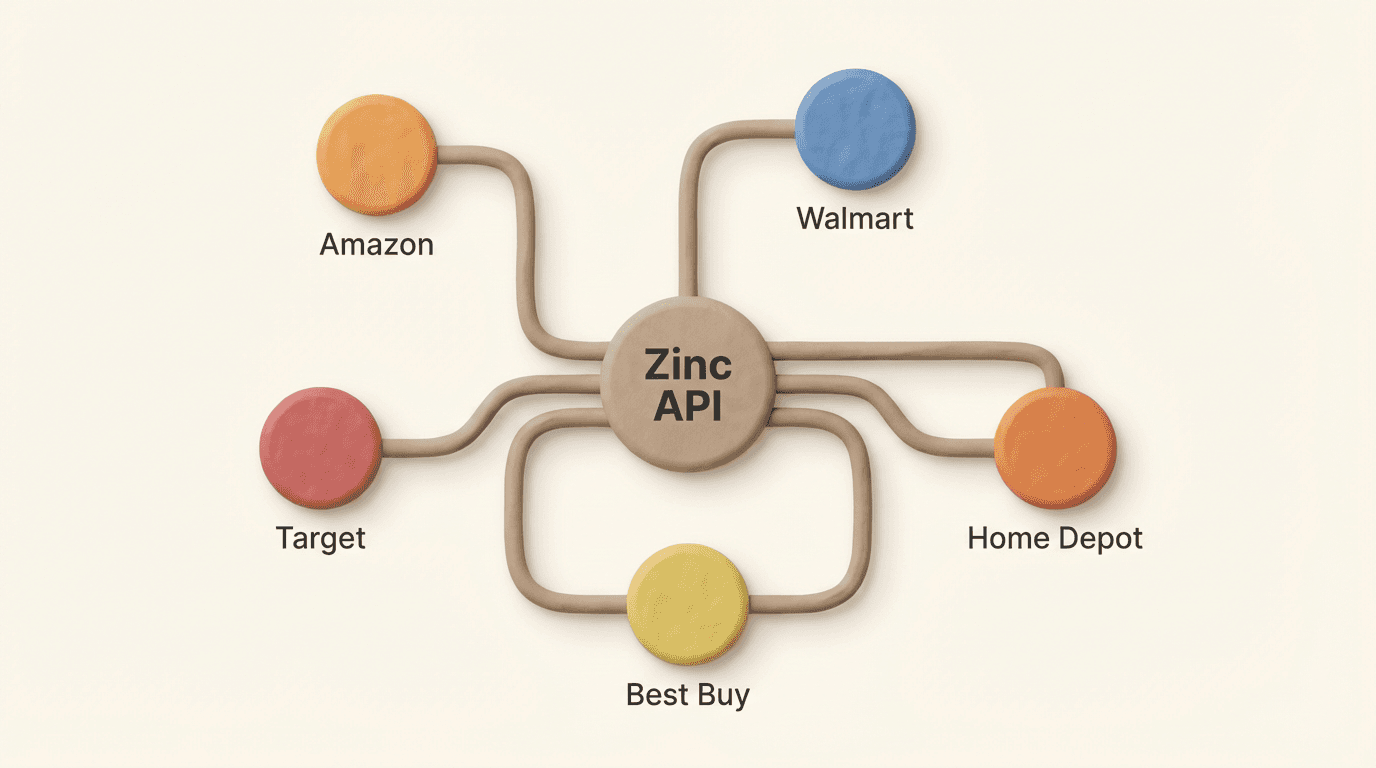
- More retailers. Integrate once, and you get Walmart, Best Buy, Target, Lowe's, and 50+ others with no extra integration work.
Bottom line
Want to show Amazon products on a blog and earn affiliate commissions? Use PA-API.
Need to actually buy things from Amazon programmatically? None of Amazon's native APIs do that. Zinc does.
Also read: Walmart Shopping API: The Ultimate Guide to Programmatic Buying (2026)
Get started with Zinc and check the quickstart guide to place your first order in minutes.